AI Retail Analytics for Smarter Retail Decisions
AI retail analytics starts with a situation most store managers know well. A product is flying off the shelves at one location while it gathers dust at another. Confirming the hunch means pulling reports from two systems, exporting to a spreadsheet, and spending an hour that nobody has. By the time the numbers are ready, the weekend rush is over and the chance to act has passed.
The idea behind AI in retail is simple: let the system learn from your business and flag what needs attention, so your team spends less time finding problems and more time solving them.
Why Looking Backward Is Not Enough
Retailers have always had reports. The issue is that most of them tell you what already happened, not what is about to.
Reports That Arrive Too Late
A monthly sales review shows which products moved and which did not. But that information lands weeks after the selling window closed. A slow mover sits on the shelf long before anyone flags it. A pricing mistake quietly eats into margin until someone spots the numbers. Standard reports describe the past. They do not help you get ahead of it.
What Happens When You Add a Prediction Layer
AI retail analytics changes the question from “what happened” to “what is likely to happen next.” It watches your sales, stock, and customer patterns and picks up on signals that manual review would miss. Retailers exploring how AI-powered operations lead to smarter daily decisions are finding that even small shifts, like catching a slow mover two weeks earlier, add up quickly.
How AI Retail Analytics Actually Works
It Starts With the Data
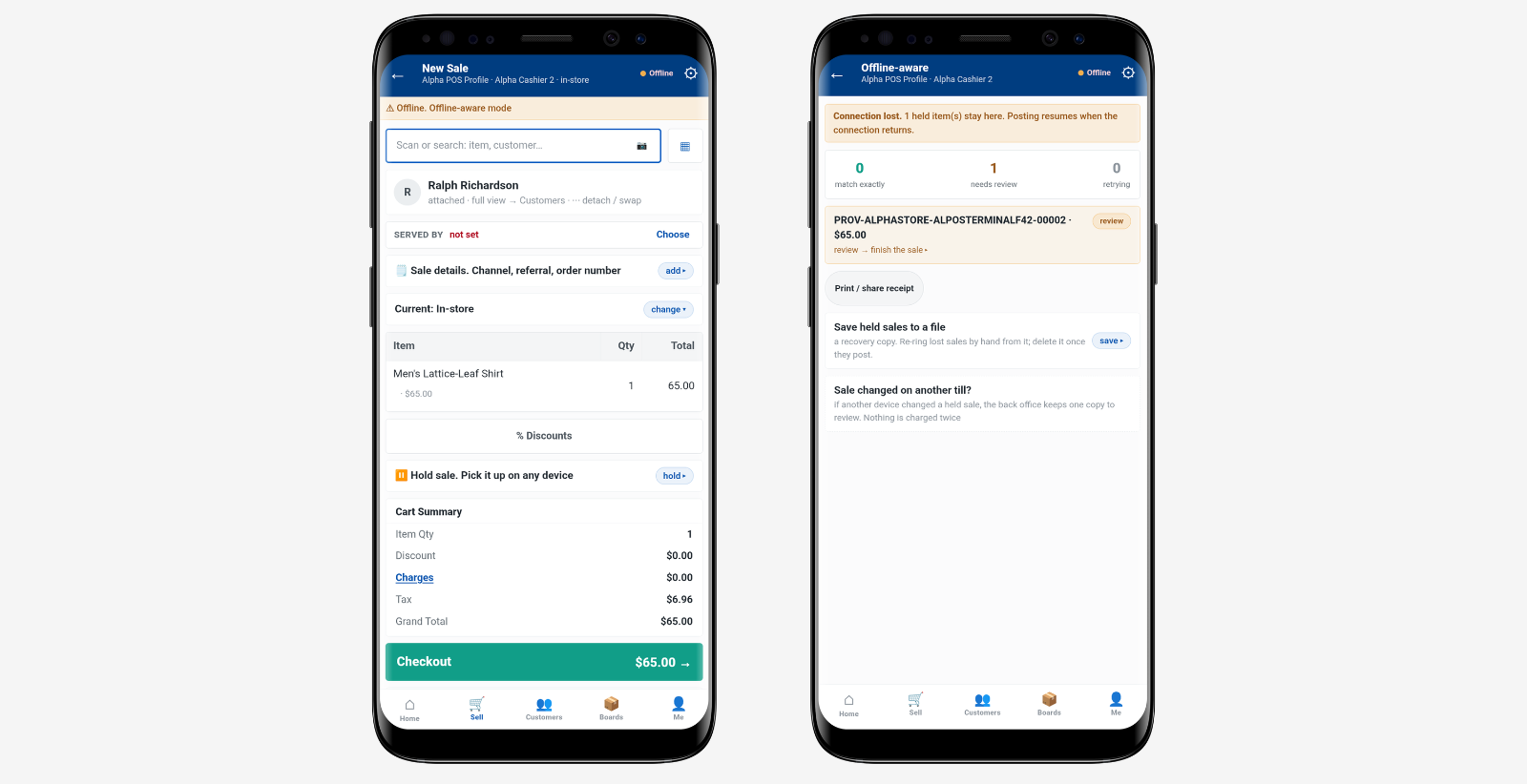
AI is only as good as what it reads from. If your sales data lives in one tool and your inventory in another, the AI is working with half the picture. When everything shares one database, the inputs are complete and current. No exports, no batch syncs, no wondering which number is right.
Built In vs Bolted On
There is a real difference between AI that lives inside your retail platform and AI that sits on top as a separate tool. Built-in AI reads from the same database in real time. Add-on tools rely on batch imports that may already be stale. Platforms with built-in AI and automation capabilities tend to deliver faster, more reliable results because the data stays in one place.
Demand Forecasting That Learns From Your Business
ARIMA and Adaptive Learning
AI retail analytics uses forecasting methods like ARIMA to predict what your stores will need based on how they have actually been selling. It looks at your sales history, seasonal shifts, and how stock moves across locations. The longer it runs, the better it gets, because it picks up on patterns that are specific to your product mix and your customers rather than relying on generic industry numbers.
Practical Outcomes
When forecasting improves, purchasing follows. The system can trigger reorder or transfer requests automatically when stock drops below a set level, so shelves stay full without someone manually checking every morning. Buyers get to see projected demand by product and location before placing orders, which cuts down on both overstock and empty shelves. Retailers who act on daily signals from their sales and stock data tend to catch supply and demand mismatches before they turn into markdowns or lost sales.
Anomaly Detection and Risk Prevention
Catching Problems Early
AI retail analytics is particularly useful for spotting things that look off. The system watches sales volumes, pricing, inventory movements, and transaction patterns. When something falls outside the expected range, it raises a flag. A sudden sales drop at one store might point to a staffing gap or a display issue. An unusual spike in refunds could signal a process problem.
Protecting Margins Before the Damage Adds Up
These alerts show up while the issue is still small enough to fix, not weeks later in a report. Products with expiry dates get flagged as shelf life runs down, so your team can move them before they go to waste. If AI is connected to your ERP and financial controls, it can also catch budget overruns, unusual spending, and pricing errors that quietly eat into margin.
Making AI Accessible Across the Organization
Asking Questions in Plain English
AI retail analytics gets more useful when everyone on the team can access it. Natural language queries let any staff member type a question and get an answer right away. A store manager asks what sold best last week. A merchandiser checks which promotion brought in the most new buyers. No report requests, no waiting, no specialized training.
Suggestions That Come to You
The system does not just answer questions. It can also tell you things you did not think to ask. It might suggest reorder quantities for next week, flag a product that needs a price cut, or point out a loyal customer whose visits have dropped off. Retailers exploring how data-driven operations translate into real profit and availability say this is where AI stops being a novelty and starts earning its keep.
AI and Customer Intelligence
Customer Profiles That Actually Help
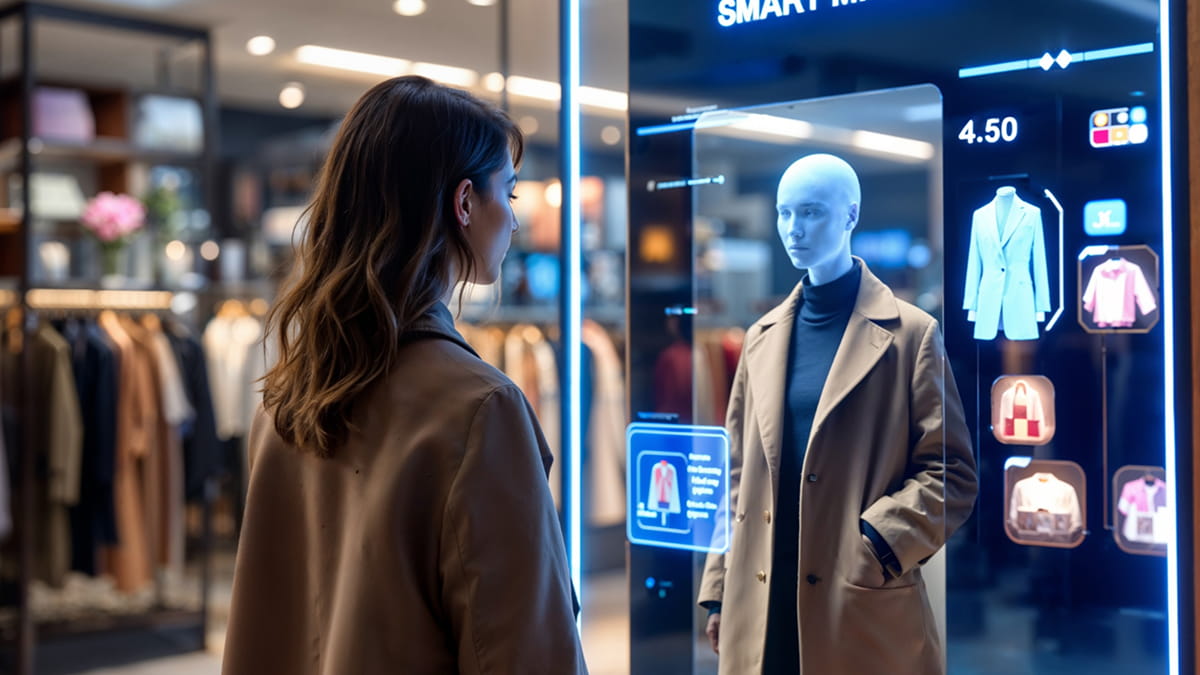
When your unified omnichannel commerce module feeds into AI, you start seeing customers more clearly. The system spots buying patterns across channels, flags when a regular shopper goes quiet, and predicts which offers are most likely to land with which groups. Tiered loyalty programs with Bronze, Silver, and Gold levels give AI structured data to work with, so it can identify what pushes a customer from one tier to the next.
Promotions and Loyalty That Work Harder
AI retail analytics also sharpens how you run promotions and loyalty. Instead of blasting the same offer to everyone, you can aim it at the people most likely to respond. Referral programs and group memberships give the system more signals to work with, helping it figure out which customers are actually bringing others in. The result is less wasted spend and loyalty programs that hold onto the shoppers who matter most.
Choosing the Right AI Analytics Platform
What to Look For
Not every platform that says “AI” on the label delivers useful results. A practical features and buying checklist for retail systems should ask three things: is the AI built into the platform or added on top? Does it run on the same database as your store operations? And does it learn from your specific data over time?
Room to Start Small
iVendNext builds AI into a platform that already connects POS, inventory, CRM, ERP, promotions, and analytics on one database. Its modular design lets you start with what you need today and bring in more advanced analytics as your data grows. Retailers who want to see how AI in retail gets real work done day to day often find that the platform behind the AI matters more than the AI itself.
From Reactive Reports to Predictive Retail
Retail has always produced plenty of data. What has changed is that AI retail analytics can now read that data fast enough to shape decisions while they still matter. Demand forecasting, anomaly detection, customer predictions, and plain English access to insights are not separate projects. They are parts of the same shift: retail operations that get ahead of problems instead of cleaning up after them. For retailers still working from last month’s numbers, the gap between where you are and where AI retail analytics can take you shows up in margin, stock health, and customer retention.