Walk into a large hardware store and even a simple product can have a long list of differences. A fixing may come in several diameters, lengths, finishes and pack sizes. Paint changes by base, finish and container size. A power tool may be sold as a bare unit, a battery kit or part of a larger bundle.
In one store, experienced staff can learn many of those differences. Across a large retail chain, that knowledge cannot sit in people’s heads. A hardware store management system has to do more than hold a list of SKUs. Buying, distribution centres, stores and ecommerce all need to work from the same product definition.
The scale can become significant very quickly. Kingfisher says B&Q operates more than 300 stores and offers up to 30,000 products in stores, with more than 2 million additional home improvement products available online. At that size, the catalogue is not just product content. It becomes part of day-to-day retail operations.
One Product Record Has Several Jobs
A product record means something different depending on who is using it. Buying needs the supplier reference and purchase unit. The distribution centre needs the barcode, pack details and receiving information. Store teams need a clear description, specification and selling unit. Checkout needs the correct price. Ecommerce needs enough attributes for shoppers to find and compare the right item.
The problems begin when each team fills in the gaps in its own way. A drill may have one description in purchasing, another in store and a third online. A new supplier barcode may be added as a new item instead of updating the existing product. Two branches may use different names for the same fitting.
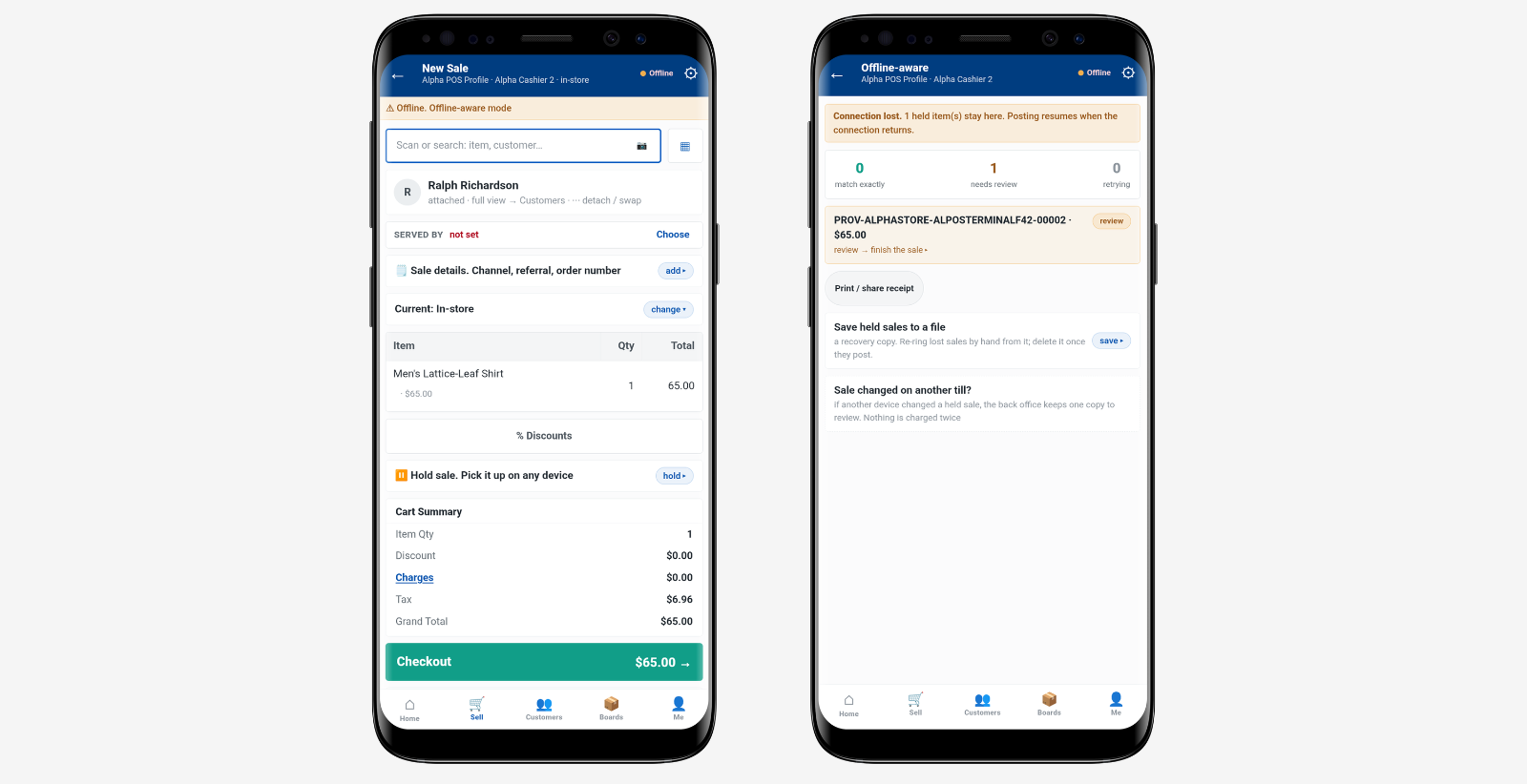
For a few items, those differences are easy to fix. Across thousands of products and many stores, they spread into pricing, ordering, reporting and store execution. The same product structure also needs to feed the hardware store point of sale system correctly, so the barcode, variant, selling unit and price used at checkout match what buying and the distribution centre are working with.
Local Assortments Should Not Create Local Products
A central catalogue does not mean every store should carry the same range.
A large-format branch may stock a deep power-tool range. A smaller urban store may focus on repair and maintenance lines. A trade-heavy location may carry larger pack sizes and more specialist products. Climate, local projects and available floor space can also change what makes sense by region.
The product definition should remain the same even when the assortment changes. Head office can decide which items are ranged by store, region or format without asking each branch to create its own version of the product.
That becomes especially useful when stores are opened, resized or moved into a new format. Retail ops can work from an approved catalogue and range the right items for that location, rather than rebuild product setup from scratch. Local flexibility comes from assortment rules, not from changing the underlying item.
In Hardware, the Details Are the Product
A bolt is not simply a bolt when the buyer, store associate or trade customer needs the right diameter, thread, length and material. The same is true for cable, timber, plumbing parts, paint, power tools and electrical products.
Those attributes need to be structured consistently. If one range uses millimetres in the description, another hides the size in free text and a third leaves it out, finding and comparing products becomes harder. The effect is visible both in store and online, where filters and search depend on clean attributes.
Units add another layer. A supplier may sell by carton, a distribution centre may hold packs and a store may sell individual pieces. The relationship between those units has to stay clear through purchasing, receiving and selling. This does not need to dominate the product setup, but it cannot be left for individual branches to interpret.
A Product Change Should Not Become a Store-by-Store Exercise

Hardware ranges change constantly. Suppliers update barcodes, packaging and specifications. Pack sizes change. A model is discontinued and replaced. A new finish or size is added to an existing range.
At enterprise scale, those changes need clear ownership. The team responsible for the product should be able to update the record once and have the approved information used wherever that item is sold.
Otherwise, stores start correcting records locally. One branch updates the new barcode while another continues with the old one. Ecommerce shows a new specification while the point of sale system still carries the previous description. Reporting then treats what should be one product change as several different versions.
Keeping the same item information across store and online matters because shoppers move between both. They may research a part online, check local availability and then buy it in store. The product they find online should be recognisable when they reach the shelf or checkout.
Bad Product Data Shows Up Far Away from the Catalogue
Catalogue problems rarely stay inside the catalogue.
A duplicate SKU can split sales history between two records. A wrong pack conversion can affect quantities. An inconsistent category can make a range look weaker than it really is. A supplier review can miss part of the spend when the same line sits under several records.
The reporting problem is often the last thing teams notice. Head office asks how a range is performing across the chain, but the answer depends on whether the same products have been classified and grouped in the same way.
This is why product setup is not only an IT or ecommerce task. Merchandising, procurement and retail ops all depend on it. The cleaner the product structure, the easier it becomes to compare stores, review suppliers, manage range changes and understand what is actually selling.
The Catalogue Is an Operating Control
Enterprise hardware retail needs local range decisions without losing central control of the product itself.
The aim is not to make every store identical. It is to make sure a product means the same thing wherever it appears. The same specification, unit, barcode and core description should follow it through buying, the distribution centre, stores and digital channels.
A hardware store management system can support that by keeping product information, variants and store ranges connected. But the operating principle comes first: define the product once, control the changes, and let each store carry the assortment that fits its market.
For a growing hardware chain, that discipline matters more with every new store and every new product added to the range.