Transforming Retail: How Enterprise POS Systems Enhance Customer Engagement and Operational Efficiency
Staying ahead of customer expectations and managing operations efficiently are paramount. Retailers, especially mid-sized to large businesses, are turning to advanced technologies to gain a competitive edge. At the forefront of this technological revolution are enterprise POS systems, which are reshaping how retailers interact with customers, manage inventory, and streamline their workflows.
Understanding Enterprise POS Systems
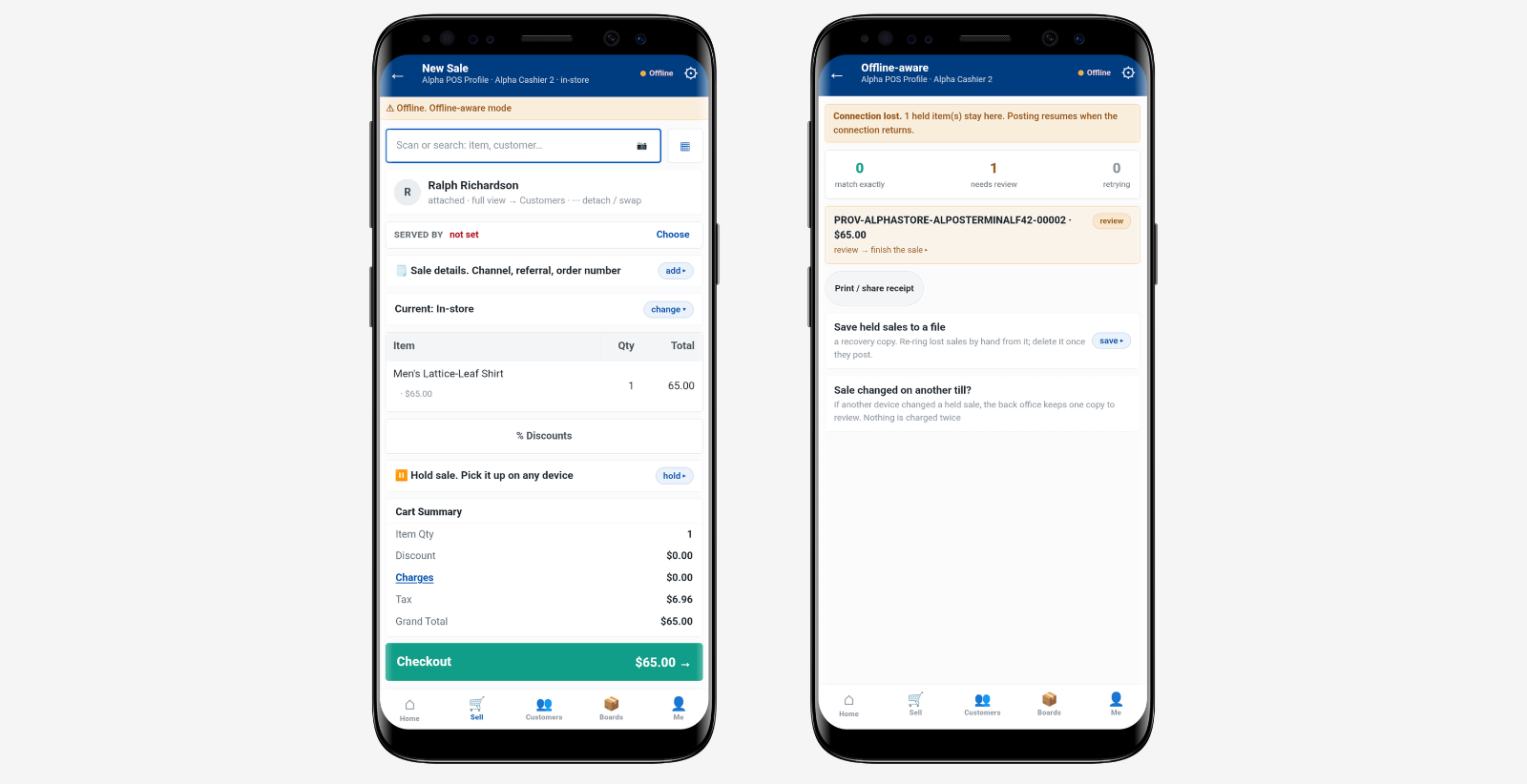
Enterprise POS systems are comprehensive platforms designed to support large-scale retail operations. These systems go beyond traditional transaction processing, offering features like real-time inventory tracking, integrated payment solutions, and robust data analytics.
By enabling seamless integration with other business systems, enterprise POS systems provide retailers with a holistic view of their operations, allowing for smarter decision-making and improved efficiency.
Enhancing Customer Engagement with Enterprise POS Systems
One of the most significant impacts of enterprise POS systems is on customer engagement. These systems enable retailers to provide a more personalized and seamless shopping experience.
- Personalized Recommendations: By analyzing customer purchase history and preferences, enterprise POS systems help staff offer tailored product suggestions.
- Enhanced Checkout Experiences: Faster transaction processing minimizes wait times, improving overall customer satisfaction.
- Omnichannel Consistency: Enterprise POS systems integrate online and offline sales channels, ensuring a consistent shopping experience across platforms.
- Loyalty Program Optimization: These systems can track high-value customers and suggest targeted rewards to foster loyalty and repeat business.
By leveraging these tools, retailers can increase customer retention, drive higher conversion rates, and ultimately boost revenue.
Streamlining Operational Efficiency with Enterprise POS Systems
Operational efficiency is critical for retail success, and enterprise POS systems excel in optimizing various backend processes.
- Inventory Management: Real-time inventory tracking ensures accurate stock levels, preventing overstocking or stockouts.
- Automated Reordering: These systems automatically replenish stock when levels are low, reducing manual intervention and errors.
- Dynamic Pricing Models: Enterprise POS systems analyze market trends and competitor pricing, enabling retailers to implement optimal pricing strategies.
- Data Analytics: Advanced reporting features provide actionable insights into sales patterns and operational performance.
- User-Friendly Interfaces: Intuitive design reduces training time for staff and minimizes transaction errors.
With these capabilities, enterprise POS systems enable businesses to reduce costs, enhance productivity, and reinvest savings into growth initiatives.
Challenges in Implementing Enterprise POS Systems
While the benefits are substantial, implementing enterprise POS systems comes with challenges:
- Integration Complexities: Ensuring seamless integration with existing business systems can be time-consuming.
- Initial Investment: The cost of implementing advanced POS solutions can be significant.
- Workforce Adaptation: Employees require training to maximize the potential of new systems.
However, strategic planning and partnering with reliable providers can mitigate these challenges, ensuring a successful transition.
The Role of Advanced POS Providers in Retail Transformation
Leading POS providers, such as iVendNext, offer tailored solutions for mid-sized to large retailers. These platforms integrate predictive analytics, real-time inventory management, and customer insights, empowering retailers to:
- Anticipate customer needs and adjust stock levels accordingly.
- Deliver personalized shopping experiences.
- Streamline workflows through automation.
- Make data-driven decisions with real-time dashboards.
By choosing the right POS system, retailers can unlock new growth opportunities and future-proof their operations.
Future Trends in POS Technology
The evolution of POS technology continues to drive innovation in retail. Emerging trends include:
- AI and Machine Learning: Enabling predictive analytics and smarter inventory management.
- Mobile POS Solutions: Allowing sales to take place anywhere in the store, improving customer engagement.
- Cloud-Based Platforms: Facilitating remote access to sales and inventory data.
- Augmented Reality (AR): Enhancing the shopping experience by allowing customers to visualize products before purchase.
Retailers who adopt these cutting-edge technologies will be better positioned to meet changing customer demands and stay ahead in the competitive landscape.
Conclusion
Enterprise POS systems are vital tools for modern retailers. They enhance customer engagement, streamline operations, and provide the scalability needed to adapt to evolving market conditions.
By investing in the right system, businesses can improve efficiency, foster customer loyalty, and drive long-term success. The question is no longer whether to adopt enterprise POS technology but how quickly retailers can integrate it into their strategy.