How Retailers Can Prepare for 4th of July Retail Sales
The 4th of July retail sales window is one of the busiest short stretches on the US calendar. It is less a single holiday and more a high-intent shopping moment built around cookouts, gatherings, travel, outdoor activities, and a wave of last-minute buying.
The demand behind it is real. NRF’s 2025 survey found that 86% of consumers planned to celebrate Independence Day, spending an average of $92.44 each on food. For retailers, that means sales can climb fast across food, beverages, grills, outdoor products, party supplies, and patriotic apparel, often in the space of a few days.
The stores that do well over the 4th of July retail sales weekend are usually not the ones reacting during the rush. They are the ones that had inventory, promotions, staffing, POS, and fulfillment ready before demand peaked. Preparation does not need to be complicated, but it does need to start before the week of.
Get Inventory Right Before the Rush
Look at What Actually Sold Last Time
The best guide to what will move this year is what sold during past holiday weekends. Pull your sell-through data by category, location, and channel. Demand forecasting can sharpen those projections by reading current trends, not just last year’s totals.
Retailers that check daily sales and inventory data, instead of waiting for a monthly review, usually go into peak weekends with tighter stock plans.
Position Stock Where It Will Sell
Not every location sells the same mix. A store near a lake or park may see a run on outdoor products while a downtown shop sees more apparel and accessories. If your stock system shows real time inventory across all locations, you can move products from slower stores to the ones that need them before the 4th of July retail sales weekend starts.
Automated replenishment triggers help too, creating purchase or transfer requests the moment a product drops below its threshold. Getting the right stock into the right store ahead of time is what turns demand into sales instead of missed ones.
Watch Expiry Dates
For retailers carrying food, beverages, or other perishable goods, the holiday adds volume pressure to products with a short shelf life. Serial and batch tracking with expiry dates keeps traceability tight and lets your team sell the items closest to their use-by date first.
When the system flags items getting close to their date, you can mark them down or move them to a busier location rather than writing them off. That cuts waste once the weekend passes and demand drops back to normal.
Plan Promotions and Loyalty Campaigns Early
Build Campaigns That Work Across Channels
A 4th of July retail sales promotion should look and feel the same whether a customer sees it in store, on your webshop, or in a marketplace listing.
When promotions and loyalty programs run on the same platform as your unified omnichannel commerce, you set them up once and they apply everywhere. And when two deals land on the same basket, the system sorts out which one applies, so your margins stay protected.
Plan Bundle Deals for the Weekend
Shoppers during the 4th of July retail sales weekend often buy in sets. A grill plus charcoal plus tongs. Plates, cups, and napkins for a party. Bundle deals make those baskets bigger and easier to ring up. Set the bundles up before the weekend so the pricing applies the same way in store and online, and so staff are not building combinations by hand at a busy register.
Use Loyalty to Drive Repeat Visits
The weekend brings foot traffic, but the real win is getting those shoppers to come back. Tiered loyalty programs with Bronze, Silver, and Gold levels give people a reason to keep buying after the holiday. Limited-time bonus events, like double points on holiday purchases, add a little urgency.
Group memberships let families pool rewards, and referral programs reward members for bringing friends along. When loyalty runs on the same system as your POS and CRM, every sale updates the customer profile in real time, so follow-up offers can start the week after.
Prepare Your Team and Your Systems
Staff to the Forecast
Scheduling should follow projected demand, not last week’s roster. During the busiest hours, some locations or departments spike harder than others, so staff those areas before the rush starts. Better data on how past weekends played out leads to better staffing, which leads to a better experience when it matters most.
Test Your POS Before the Weekend
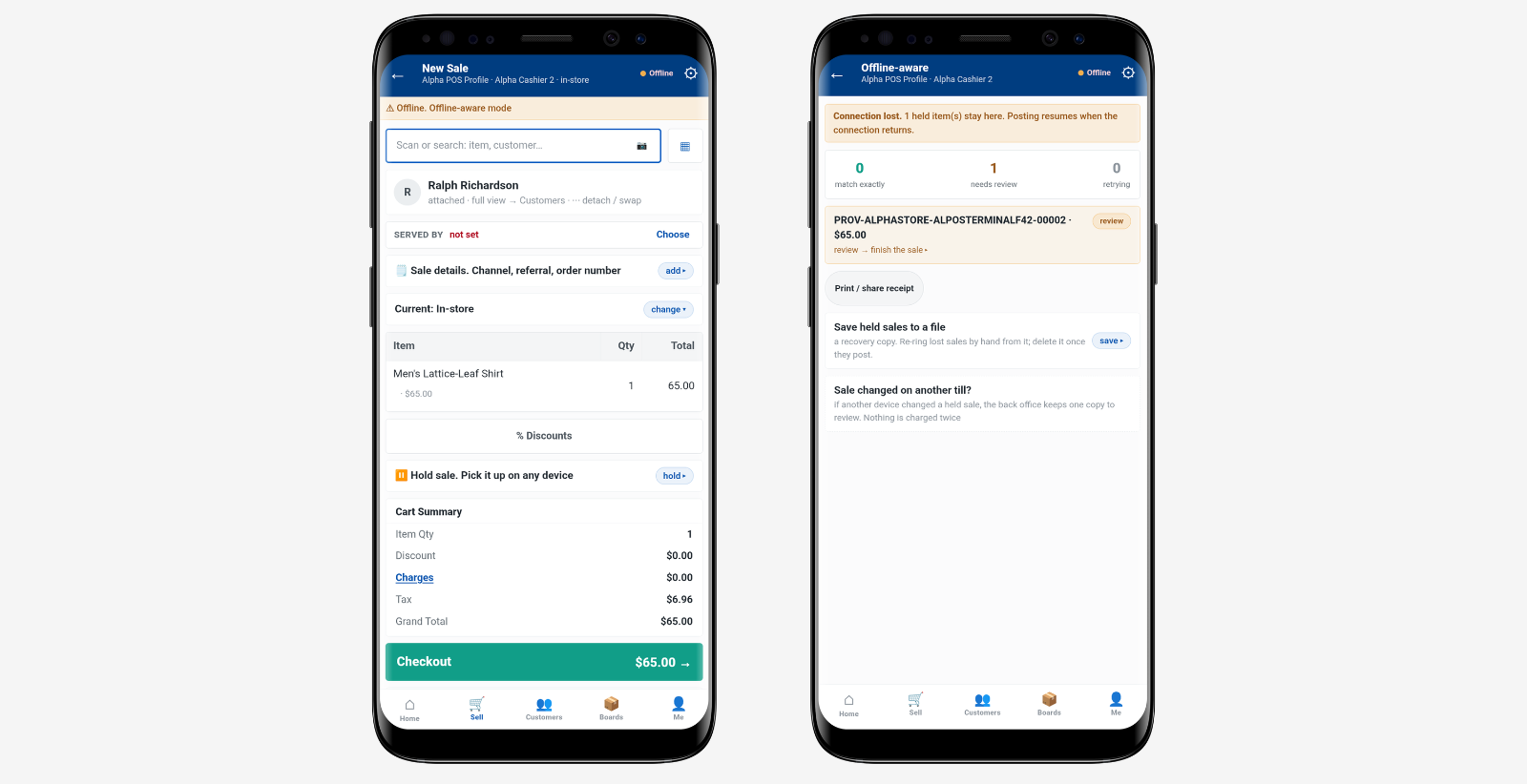
A 4th of July retail sales weekend with heavy traffic is not the time to find out that your registers cannot handle split payments, loyalty redemptions, and promotional pricing in one transaction. Make sure your POS supports multi-tender payments, offline resilience if the connection drops during the rush, and automatic promotion pricing without cashier steps.
When every sale posts straight to your finance and accounting systems, your finance team does not spend the next week cleaning up the numbers. On a holiday weekend, even a short outage at a busy register can mean lost sales and a frustrated line, so the resilience is worth confirming in advance.
Brief Your Floor Staff on Current Promotions
Even a well-set-up system loses impact if your store associates do not know which promotions are running, which products are featured, and how the loyalty program rewards holiday purchases.
A short pre-weekend huddle that covers active deals, expected high-demand items, and fulfillment options like buy online pick up in store keeps the team aligned. When associates know the deals cold, they spend less time checking and more time selling.
Open Up Fulfillment Options

Let Customers Shop However They Want
The weekend draws both planned and impulse shoppers. Some browse online the night before and pick up in store the next morning. Others shop in person and want something shipped elsewhere.
Buy online pick up in store, ship from store, and endless aisle with substitutions based on real time availability give customers more ways to buy and fewer reasons to leave empty handed. These options only work when inventory is live and shared across every channel.
Use Your Store Network as a Fulfillment Layer
If a product is out of stock at one location, check whether another store or your warehouse can fill the order. When your platform shows real time stock across the network, associates can find inventory and arrange delivery or pickup from the register.
Retailers working to win customers across every channel find that flexible fulfillment is especially valuable during peak periods, when single locations can sell through faster than expected. It also keeps a sale from walking out the door just because one shelf happened to be empty.
Make Returns Simple After the Weekend
Some of what sells over the weekend will come back the week after, and how you handle it shapes whether the customer comes back too.
Let shoppers return items through whichever channel is convenient, in store or by mail, and make sure each refund or exchange updates stock and the books right away. Consistent return rules across channels keep the days after the holiday from turning into a backlog.
Read the Results Fast After the Weekend
Do Not Wait Until Month End
The 4th of July retail sales weekend produces a burst of data, and the sooner you read it, the sooner you can act. Which promotions drove volume? Which locations beat their forecast? Which products sold out early and which sat?
When your analytics pull from one shared database, those answers are ready the day after the holiday, not two weeks later. Natural language queries let managers ask questions in plain English and get answers without waiting for a report to be built.
Look at Margin, Not Just Volume
A promotion can move plenty of units and still lose money. After the weekend, check which deals actually brought in profit and which mostly discounted purchases that would have happened anyway.
Comparing margin by promotion, category, and store tells you what is worth repeating next year and what to drop. Volume alone can hide a campaign that quietly ate into your margin.
Feed the Insights Back Into Forecasting
Every peak period teaches you something about your customers and your operations. The promotions that drove margin, the categories that sold out early, and the stores that beat their forecast all become inputs for the next plan. Tracking those shifts alongside your own results uses this year’s holiday sales data to improve the next forecast.
Making the Most of the Holiday
iVendNext brings POS, inventory, finance and accounting, CRM, promotions, loyalty, analytics, and automation together on one database. Its modular design that lets you start with what you need means you can add more over time.
The real advantage is not more tools. It is having inventory, promotions, fulfillment, and finance and accounting data working from the same system, so your team can focus on customers instead of workarounds. That is what getting ready for 4th of July retail sales really comes down to.