Omnichannel Retail Strategies: Delivering a Seamless Customer Experience Across All Touchpoints
Customers expect seamless experiences whether they’re shopping in-store, or online. For mid-sized to large retailers, adopting an omnichannel approach isn’t just an option—it’s a necessity. Omnichannel retail strategies integrate all sales and communication channels, ensuring customers have a consistent and connected experience across every touchpoint.
1. Understanding Omnichannel Retail
Omnichannel retail is about creating a unified and integrated shopping experience across physical stores, e-commerce platforms, mobile apps, and even social media channels. Unlike multichannel strategies, where each channel operates independently, omnichannel retail aligns these channels to share data and insights seamlessly.
- Unified Customer Profiles: Retailers maintain a single view of customer data across channels.
- Cross-Channel Shopping Journeys: Customers can start shopping in one channel and complete transactions in another.
- Consistent Brand Experience: Messaging, pricing, and promotions remain uniform across all platforms.
- Integrated Data Systems: Real-time updates across inventory, pricing, and customer profiles.
This approach eliminates silos and fosters a customer-centric retail model.
2. Why Omnichannel Retail Matters
Customers no longer distinguish between online and offline shopping—they expect one seamless journey. Omnichannel retail caters to this shift in behavior.
- Increased Customer Retention: Shoppers are more likely to return when their experience is consistent.
- Higher Sales Conversions: Smooth transitions across channels reduce cart abandonment rates.
- Better Inventory Management: Real-time updates prevent stockouts and overselling.
- Enhanced Customer Insights: Cross-channel data provides deeper visibility into buying behavior.
For mid-sized to large retailers, omnichannel strategies drive customer loyalty and business growth.
3. Key Components of an Omnichannel Strategy
Building a successful omnichannel retail strategy involves aligning technology, processes, and customer engagement.
- Centralized Inventory Management: Real-time inventory visibility across all channels.
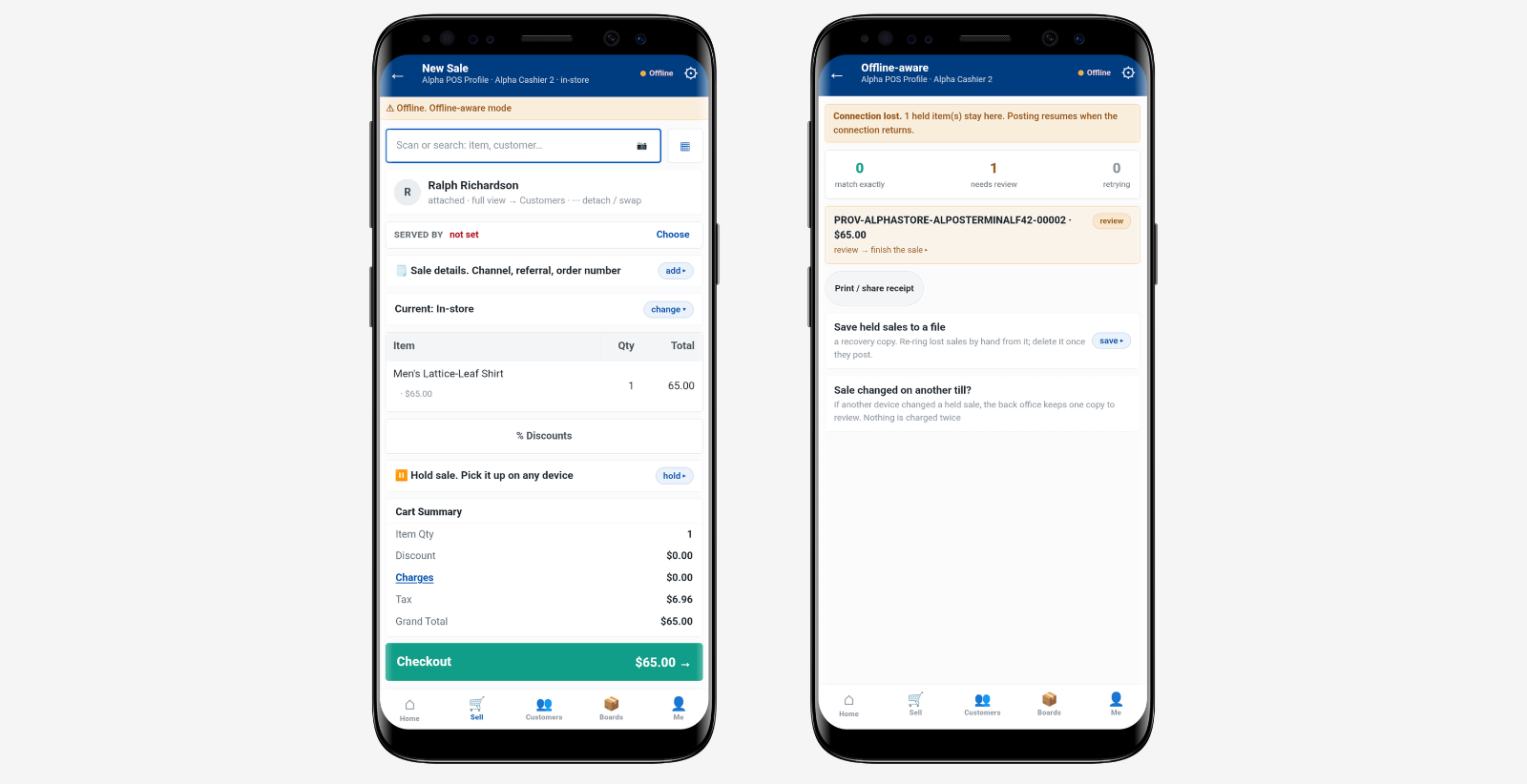
- Integrated Point-of-Sale (POS) Systems: Enable seamless transactions and shared customer data.
- Personalized Marketing Campaigns: Consistent messaging tailored to customer preferences across platforms.
- Unified Customer Service: Support teams can assist customers regardless of where the purchase was made.
These components ensure every interaction feels connected, regardless of where it begins.
4. Benefits of Omnichannel Retail for Businesses
The advantages of omnichannel strategies extend beyond just customer satisfaction.
- Streamlined Operations: Fewer data silos and centralized systems improve efficiency.
- Increased Revenue: Cross-channel promotions and loyalty programs boost sales.
- Scalable Infrastructure: Platforms can scale to support growing business needs.
- Real-Time Data Insights: Access actionable insights to refine strategies.
Mid-sized retailers can compete effectively with larger players by leveraging omnichannel efficiencies.
5. Challenges in Implementing Omnichannel Retail
While the benefits are clear, implementing omnichannel strategies comes with challenges.
- Data Integration: Ensuring seamless data flow between channels can be complex.
- Technology Investment: Upgrading legacy systems requires significant investment.
- Staff Training: Employees must adapt to new tools and workflows.
- Consistent Experience: Maintaining uniform service across all touchpoints is challenging.
Overcoming these hurdles requires a robust technology partner and a clear implementation roadmap.
6. How iVendNext Enables Omnichannel Excellence
iVendNext is designed to simplify omnichannel retail management for mid-sized to large retailers.
- Unified Platform: Manage inventory, sales, and customer data across channels from a single interface.
- Seamless Integration: Real-time updates ensure consistency in pricing, inventory, and promotions.
- Customizable POS Interface: Tailor the checkout experience for each retail vertical.
- Data-Driven Insights: Gain actionable insights for better decision-making across all channels.
With iVendNext, retailers can implement and scale their omnichannel strategies with confidence.
7. Future Trends in Omnichannel Retail
The omnichannel landscape continues to evolve with new technologies and trends.
- AI and Machine Learning: Enhance personalization and predictive analytics.
- Augmented Reality (AR): Enable customers to visualize products before purchasing.
- Voice Commerce: Allow transactions via voice assistants like Alexa and Google Home.
- Contactless Payments: Provide faster and safer checkout experiences.
Staying ahead of these trends will be essential for long-term success.
8. Conclusion
Omnichannel retail is not just a buzzword—it’s a business imperative. For mid-sized to large retailers, delivering seamless customer experiences across all touchpoints is key to survival and growth. Platforms like iVendNext make it easier to overcome challenges, unify operations, and deliver exceptional customer journeys. Investing in omnichannel strategies is an investment in future-proofing your retail business. The question isn’t whether to adopt omnichannel but how quickly you can start delivering on its promise.